Lightning Down Conductor: 7 Steps For Selecting The Best One
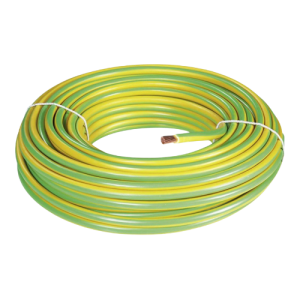
When it comes to protecting structures from the devastating impact of lightning strikes, one of the most critical components is the lightning down conductor. Often overlooked, this essential element acts as the bridge between the air termination system and the grounding system, ensuring that the massive electrical energy from a lightning strike is safely directed into the ground. Choosing the right lightning down conductor is not just a technical necessity—it’s a matter of safety, reliability, and compliance with international standards.
In this article, we will walk you through 7 essential steps to help you choose the best lightning down conductor for your building or infrastructure project. Whether you’re an electrical engineer, safety consultant, or building owner, this guide will equip you with the right knowledge to make an informed decision.
What is a Lightning Down Conductor?
A lightning down conductor is a metallic path installed on a building or structure that provides a low-resistance route for lightning current to travel from the air termination (typically a lightning rod or mesh system) to the ground. It plays a vital role in minimizing potential damage to property and ensuring human safety during a lightning event.
According to IEC 62305 and NFPA 780 standards, the down conductor must be designed to handle high currents (up to 200 kA or more) in a short time span (microseconds). Hence, material selection, installation quality, and design considerations are essential.
Step 1: Know Your Building’s Lightning Risk Level
Before selecting a lightning down conductor, you must first assess the lightning protection level (LPL) of your building. The LPL determines the peak current and minimum requirements your system should handle. This risk assessment can be done using:
-
IEC 62305 Part 2 (Risk Management)
-
NFPA 780 Chapter 4 (Risk Assessment Method)
A high-risk building (e.g., data centers, oil facilities, or tall towers) will need a more robust lightning down conductor setup compared to a residential house.
Step 2: Choose the Right Conductor Material
The choice of material for your lightning down conductor significantly affects its performance, corrosion resistance, and longevity. Common materials include:
-
Copper: High conductivity, corrosion-resistant, durable. Ideal for long-term systems.
-
Aluminum: Lightweight and cost-effective, but less durable than copper in corrosive environments.
-
Copper-Clad Steel: A compromise between strength and cost.
-
Stainless Steel: Excellent for corrosive environments like coastal areas.
Copper is generally preferred for most installations, but ensure the material is compatible with other components to avoid galvanic corrosion.
Step 3: Determine the Optimal Conductor Cross-Section
The cross-sectional area of the lightning down conductor is crucial for ensuring it can carry the required current without overheating or mechanical damage. IEC 62305 suggests:
-
Copper: Minimum 50 mm² (solid) or 70 mm² (stranded)
-
Aluminum: Minimum 70 mm²
Bigger isn’t always better, but underestimating the conductor size can lead to catastrophic failure during a lightning strike.
Step 4: Plan the Shortest and Straightest Path
Lightning prefers the shortest, most direct path to the ground. Therefore, your lightning down conductor should be routed with minimal bends and avoid sharp angles. Key guidelines include:
-
Keep bends with a minimum radius of 20 cm
-
Avoid loops or unnecessary length
-
Maintain a vertical drop wherever possible
A properly routed lightning down conductor reduces the risk of flashover to nearby conductive parts like water pipes or metal facades.
Step 5: Ensure Proper Bonding with Other Systems
The lightning down conductor must be bonded to all other metallic structures and conductive systems within the building. This includes:
-
Water and gas pipes
-
HVAC systems
-
Rebars in concrete (especially for reinforced buildings)
-
Cable trays and metallic ducts
This bonding prevents dangerous side flashes and ensures equipotentialization, especially important in high-rise buildings or those with sensitive electronics.
Step 6: Decide Between Exposed or Embedded Conductors
You can choose to install the lightning down conductor either externally (exposed) or internally (embedded):
-
Exposed Conductors: Mounted outside the building’s facade. Easier to inspect and maintain but may affect aesthetics.
-
Embedded Conductors: Installed inside concrete or walls. Protected from tampering and environment but harder to inspect.
Modern buildings often use Natural Down Conductors—such as steel columns or rebar cages—if they meet the conductivity and continuity requirements outlined in IEC 62305.
Step 7: Test and Inspect Your Lightning Down Conductor System
A lightning down conductor is only effective if it’s properly installed and maintained. Post-installation testing should include:
-
Visual inspection of all components and connections
-
Continuity testing with low-resistance ohmmeters
-
Earth resistance testing for the grounding system (should be below 10 ohms, ideally 1-5 ohms)
Annual inspections are recommended, especially before the thunderstorm season. Any corrosion, mechanical damage, or loose connections must be addressed immediately.
Bonus Tip: Use Certified and Compliant Products
Always choose lightning down conductor components that are:
-
IEC 62561-certified (for conductors, clamps, and grounding parts)
-
Corrosion-tested
-
Supplied with installation manuals and test data
Certification ensures that your system complies with global standards and can stand up to real-world lightning conditions.
Choose Smart, Protect More
Selecting the best lightning down conductor isn’t just about picking a wire and routing it down the side of your building. It’s a detailed process involving risk assessment, material selection, conductor sizing, routing optimization, and rigorous testing.
By following these 7 steps, you ensure that your lightning protection system is not only compliant with international standards but also truly capable of protecting lives, equipment, and infrastructure from one of nature’s most powerful forces.
Remember, a lightning down conductor is the spine of your lightning protection system. Invest in quality, plan with precision, and maintain regularly—because when lightning strikes, there’s no second chance.
Frequently Asked Questions (FAQ)
Q1: Can I use the building’s steel structure as a lightning down conductor?
A: Yes, as long as it meets the cross-sectional and continuity requirements of IEC 62305. This is known as a natural down conductor.
Q2: How many down conductors should a building have?
A: IEC recommends at least two down conductors for small structures, increasing with building size and complexity to reduce impedance and ensure current sharing.
Q3: Should the down conductor be insulated?
A: Not necessarily. In fact, bare conductors are common. Insulated down conductors are used in special cases where safety or aesthetics are a concern.

Want to know information about 7 steps to selecting lightning down conductor, as well as other lightning protection information?
Keep following the latest articles from www.pasangantipetir.id
For more information about products or lightning protection installation services, consult our Expert Team at 0858-9291-7794