Lightning Protection Standards Explained: IEC 62561 & IEC 62305
Lightning Protection Standards
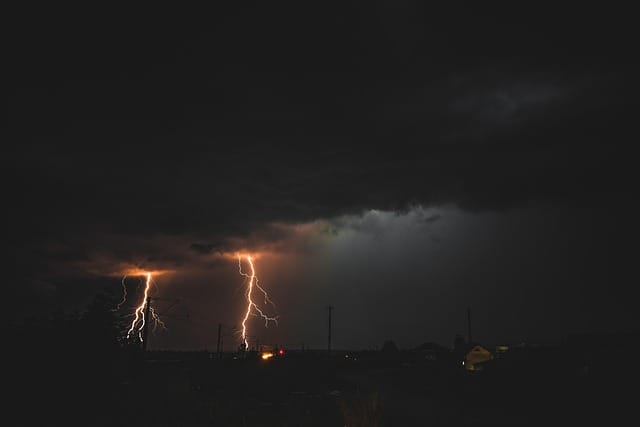
When lightning strikes, it doesn’t just create a spectacular display in the sky — it poses a serious threat to buildings, infrastructure, and lives. The risks range from fires and power surges to complete destruction of electronic systems. That’s why modern lightning protection systems (LPS) must be meticulously designed, tested, and maintained. But how do professionals ensure that a system is reliable and safe? The answer lies in two key international lightning protection standards: IEC 62305 and IEC 62561.
These IEC (International Electrotechnical Commission) standards form the backbone of lightning protection practices around the world. Whether you’re a contractor, engineer, facility manager, or building owner, understanding these standards can empower you to make informed decisions that protect both people and property.
What Is IEC 62305 ? The Blueprint of Lightning Protection Design
IEC 62305 is a comprehensive standard that defines how to design and implement a complete lightning protection system. It’s divided into four main parts, each focusing on a different aspect of protection:
1. IEC 62305-1: General Principles
This section lays the foundation. It explains the nature of lightning and the potential hazards to structures, people, and systems. It defines key terms and sets the stage for the rest of the standard. Even if you’re not a technical expert, this part is useful for understanding the “why” behind protection.
2. IEC 62305-2: Risk Management
This part introduces a structured method for assessing the risk of lightning strikes. It helps determine whether a building needs protection and, if so, to what extent. It takes into account:
-
Type of building
-
Occupancy
-
Geographic location
-
Value of contents
-
Risk to human life
Using this data, engineers can calculate a risk level, which then informs the appropriate level of protection (LPS Level I–IV).
3. IEC 62305-3: Physical Protection (External LPS)
This is where the design takes shape. It covers:
-
Air termination systems (e.g., lightning rods)
-
Down conductors (that carry the lightning current to the ground)
-
Earth termination systems (to safely dissipate the energy into the soil)
This section emphasizes separation distances, material selection, bonding, and physical layout to prevent side-flashes and fire hazards.
4. IEC 62305-4: Electrical and Electronic Systems (Internal LPS)
Not all threats are visible. Lightning can also cause damaging transient overvoltages through cables, wires, and grounding systems. This section deals with:
-
Surge Protective Devices (SPDs)
-
Shielding
-
Cable routing
-
Equipotential bonding
This ensures that sensitive electronics — like servers, PLCs, security systems — are protected from electrical surges.
What Is IEC 62561? The Quality Control Standard for Lightning Protection Components
While IEC 62305 outlines the system design, IEC 62561 is all about the components used in that system. Think of it as the quality benchmark for the “building blocks” of your LPS.
Component Testing and Requirements
IEC 62561 is titled “Lightning Protection System Components (LPSC)” and is divided into 11 parts, each covering a specific type of component:
-
IEC 62561-1: Connectors
-
IEC 62561-2: Conductors
-
IEC 62561-3: Isolating Spark Gaps
-
IEC 62561-4: Earth Electrodes
-
IEC 62561-5: Test Joints
-
IEC 62561-6: Lightning Strike Counters
-
IEC 62561-7: Requirements for earthing enhancing compounds
-
IEC 62561-8: Requirements for insulating parts
-
IEC 62561-9: Requirements for components for isolated LPS
-
IEC 62561-10: Requirements for clamps for LPS
-
IEC 62561-11: Housings and enclosures
Each of these parts outlines mechanical, electrical, and corrosion resistance tests that components must pass. For example:
-
Can the conductor handle high current?
-
Will the connector corrode over time in a humid climate?
-
Will the earth rod maintain low resistance for years?
By complying with lightning protection standards IEC 62561, manufacturers prove that their components are durable, safe, and capable of performing under real lightning strike conditions.
Why These Standards Matter in Real Life
Let’s imagine a hospital, a data center, or an airport. These critical facilities can’t afford a system failure due to lightning. Not only could it damage multi-million-dollar equipment, but it could also put human lives at risk. Here’s how IEC standards help in such scenarios:
-
Risk Analysis (IEC 62305-2) helps the design team decide whether full protection is necessary and what level is required.
-
Design Guidelines (IEC 62305-3 & -4) ensure that the structure is physically and electrically protected.
-
Certified Components (IEC 62561) guarantee that the installation uses proven, reliable hardware.
Without adherence to these lightning protection standards, a lightning protection system may appear functional but fail during the very event it was built to prevent.
Key Differences Between IEC 62305 and IEC 62561
| Aspect | IEC 62305 | IEC 62561 |
|---|---|---|
| Focus | System design and risk assessment | Product/component quality |
| Users | Engineers, designers, consultants | Manufacturers, test labs |
| Purpose | Define how to build an LPS | Define how components must perform |
| Structure | 4 Parts (General, Risk, External, Internal) | 11 Parts (by component type) |
Both standards are complementary. You design the system using lightning protection standards IEC 62305, then specify or purchase components that are tested under IEC 62561.
What About National Standards?
Many countries adopt or adapt IEC standards into their own codes:
-
NFPA 780 (USA) aligns partially with IEC 62305.
-
BS EN 62305 (UK) is the European adaptation.
-
SNI (Indonesia) often references IEC standards for electrical and lightning protection work.
So, even if you’re working in a country with its own electrical code, there’s a good chance you’re following IEC principles — directly or indirectly.
Tips for Implementing These Standards in Your Project
-
Work with Certified Products
Always check if the components you’re using are tested per IEC 62561. -
Use Qualified Designers
Lightning protection design requires skill and calculation. Make sure your designer understands the risk assessment and separation distance concepts from IEC 62305. -
Don’t Ignore Internal Protection
A lightning rod is not enough. Use SPDs and bonding as per IEC 62305-4 to protect your electronics. -
Inspect and Maintain
Even IEC-compliant systems need regular checks. Test joints, grounding resistance, and component integrity over time.
Safety Starts with Standards
Lightning may be unpredictable, but your protection system doesn’t have to be. Thanks to IEC 62305 and IEC 62561, we have a clear, science-backed framework for protecting buildings, electronics, and — most importantly — lives.
If you’re investing in a lightning protection system, insist on IEC compliance. It’s not just about following regulations — it’s about ensuring that when the storm comes, your defenses are ready.
Interested in making your building lightning-proof? Ask your contractor if they follow IEC 62305 and use IEC 62561-certified components. It could be the smartest investment you ever make.

Ingin tahu info tentang IEC 62561 & IEC 62305 Lightning Protection Standards Explained maupun info penyalur petir lainnya?
Simak terus artikel terbaru dari www.pasangantipetir.id
Untuk info lebih lanjut mengenai produk maupun jasa pemasangan anti petir, konsultasikan kepada Tim Ahli Kami di 0858-9291-7794